The legacy of the American West is often reduced to a handful of tired tropes, yet the true spirit of the frontier is far more nuanced, diverse, and technically demanding than popular culture suggests. Collectors today are looking beyond the surface, seeking western historical paintings that offer both historical integrity and masterful execution. You likely appreciate the rugged beauty of the plains but feel a disconnect when faced with oversimplified narratives or stagnant styles that fail to capture the period's true complexity.
It's a common frustration for those who value heritage and professional craftsmanship. This article invites you to discover the profound narrative and technical mastery behind Western historical art, from the classic frontier myths to the vital, reclaimed stories of the Black Cowboy. We'll examine the shift toward inclusive history, the resurgence of high-end techniques, and the methodical process of acquiring or commissioning original works that will be cherished for generations.
Key Takeaways
- Explore the evolution of the frontier narrative, moving from romanticized myths toward a more authentic and gritty portrayal of Western life.
- Recognize the historical significance of the Black Cowboy, an essential figure in reclaiming a diverse and complete American heritage.
- Appreciate the technical precision found in western historical paintings, specifically the use of gold leaf and sophisticated lighting to create enduring value.
- Gain insight into the process of commissioning custom art, transforming historical narratives into a personal and prestigious investment for future generations.
Defining Western Historical Painting: From Tradition to Frontier
Western art occupies a unique space in the creative canon. It's both a geographical designation and a thematic genre defined by the spirit of exploration and the ruggedness of the American experience. To understand western historical paintings, one must look beyond the canvas to the cultural shifts they represent. This tradition isn't merely about the depiction of a location; it's a sophisticated narrative of expansion, identity, and the enduring human spirit. The contemporary artist serves as a steward of cultural memory, ensuring that the grit and grace of the past aren't lost to time or oversimplification.
The European Roots of Western Art
The technical foundation of American frontier art lies in the grand traditions of the European Renaissance. Early painters brought sophisticated understandings of light and shadow, particularly the dramatic use of chiaroscuro, to the vast landscapes of the New World. As artists moved away from the religious iconography and royal portraiture of Europe, they found a new kind of divinity in the untouched wilderness. This transition marked a shift toward realism, where the meticulous documentation of flora, fauna, and indigenous cultures became a primary focus. Within the broader context of Western American Art, these classical techniques provided the necessary gravitas to portray a land that many saw as the new frontier of civilization.
The Birth of the American Western Genre
The 19th-century boom of frontier art was a direct response to a nation's curiosity about its own expansion. What began as journalistic sketches and field studies by explorers soon evolved into high-art oil paintings destined for prestigious galleries in the East. These works did more than record history; they defined the visual language of the American West. The iconic figure of the cowboy, the vastness of the prairie, and the tension of the trail were elevated through masterful composition and technical precision. This evolution transformed western historical paintings from mere documentation into a revered artistic genre that captures the essence of a timeless legacy.
Historical accuracy is the cornerstone of this work. For the modern figurative painter, capturing the correct drape of a period-accurate duster or the specific wear on a saddle isn't just about detail. It's about respect. This dedication to precision honors the individuals who lived these stories. By blending disciplined craftsmanship with a deep reverence for heritage, the artist creates a bridge between the historical reality of the frontier and the contemporary collector's appreciation for enduring quality.
The Evolution of the Frontier Narrative
The narrative of the American West has undergone a profound transformation. Early portrayals often relied on the "Frontier Myth," a curated vision of untamed lands and singular heroism that served a specific national identity. Today, western historical paintings are reclaiming a sense of authentic grit. This shift moves away from the idealized vistas of the past toward a more disciplined, figurative realism. Modern artists use these historical themes not just to look backward, but to anchor contemporary identity in a tangible, well-researched heritage that acknowledges the complexity of the era.
Beyond the Romanticized West
For much of the 20th century, Western art was filtered through the lens of Hollywood cinema. This produced a sanitized version of history that often ignored the brutal physical realities of the trail. Sophisticated collectors now demand work rooted in primary source research. By studying Western American art styles, we see how the genre has matured from simple documentation to complex storytelling. The use of heavy texture and meticulous layering helps convey the harshness of the elements, making the historical struggle feel immediate and visceral. It's a rejection of the "glossy" West in favor of something more permanent and honest.
Figurative Art: The Human Element of History
The human figure is the most potent instrument for conveying historical weight. A single gesture or a weary expression can communicate more about the "Spirit of the West" than a thousand words. This focus on the individual is where historical work meets the discipline of urban realism. It's about capturing the soul of the subject. Whether it's the quiet strength of a ranch hand or the focused energy of a rider, these portraits provide a window into the past that feels remarkably present. This intersection of tradition and technical precision allows the artist to act as a witness to the human condition.
The landscape remains a vital character in this story. The enduring appeal of the "Amber Waves" reflects a deep-seated connection to the land itself. It's a backdrop that demands reverence, serving as the stage for every historical drama. For those seeking to preserve these narratives, exploring Cowboy Figurative Paintings offers a chance to engage with work that prioritizes both technical mastery and historical truth. This evolution ensures that the story of the West remains a living, breathing tradition rather than a dusty relic of the past.
The Untold Heritage: The Black Cowboy in Western Art
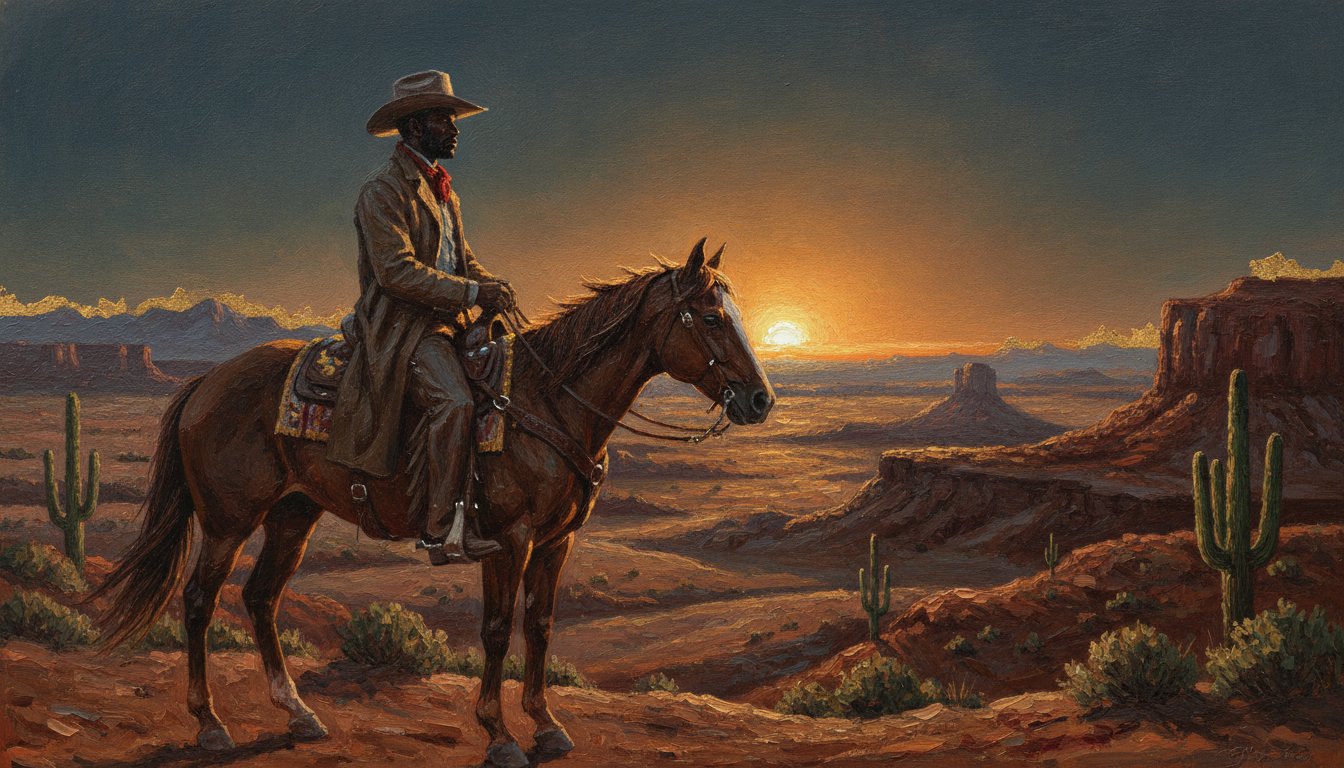
The visual history of the American West is incomplete without acknowledging the profound contributions of African American frontiersmen. While the popular "Frontier Myth" often favored a singular demographic, historical records indicate that approximately twenty-five percent of cowboys were Black. Western historical paintings that ignore this reality fail to capture the true spirit of the era. Reclaiming this legacy is a matter of professional integrity and artistic devotion. By documenting these figures, artists provide a more nuanced understanding of the grit required to settle the American frontier.
Historical Context of the Black Cowboy
Figures like Bass Reeves, a deputy U.S. Marshal who captured over 3,000 outlaws, and Bill Pickett, the rodeo pioneer, offer rich material for the contemporary figurative artist. Their stories represent a transition from the labor-intensive cattle drives of the post-Civil War era to the disciplined spectacle of the early rodeo. The Black Cowboy in Western Art is not a peripheral topic; it's central to the American story. These individuals were essential to the economic and social fabric of the West. Capturing their likeness requires a meditative approach that respects their individual agency and historical significance.
Visualizing Black Western History
The technical challenge of visualizing this history lies in the sophisticated interplay of light and texture. The artist must use composition to elevate the subject, ensuring they command the space with quiet authority. There's a specific emotional weight in modern collections that feature "Black Western Art." It brings a sense of quiet prestige to a gallery, offering a narrative that's both historically grounded and socially relevant. Duke Windsor Fine Art Studio is deeply committed to this lineage. Through the Black cowboy paintings series, the studio explores the intersection of heritage and high-end craftsmanship. These works aren't just portraits; they're acts of stewardship that honor a legacy long overlooked by mainstream institutions.
Representation in fine art galleries and private collections serves a higher purpose than mere decoration. It acts as a permanent record of a diverse and complex past. When a collector chooses a piece from the Black Cowboy series, they're investing in a legacy that honors the overlooked heroes of the trail. This commitment to truth ensures that the narrative of the American West remains a living, breathing tradition for generations to come. It's a professional invitation to engage with history through a lens of technical mastery and profound respect for the human experience.

Mastering Technique: Light, Texture, and the Lustre of Gold
The creation of western historical paintings requires more than a keen eye for history; it demands a disciplined mastery of physical materials. Technical precision is the foundation upon which legacy is built. Every brushstroke and choice of pigment serves to anchor the narrative in a sense of permanence. This methodical approach ensures that the work transcends the temporary nature of modern trends, offering instead a quiet prestige that collectors value. It's the difference between a fleeting image and a piece of heritage.
The Value of Gold Leaf in Historical Art
The application of gold leaf is perhaps the most distinctive element of this sophisticated style. While rarely found in traditional frontier art, its inclusion creates a meditative atmosphere that invites reflection. Gold leaf interacts with ambient light in a way that standard pigments cannot, shifting and glowing as the sun moves across a room. This creates a sense of reverence for the subject, elevating a figurative study into a cherished icon. The technical challenge lies in the meticulous application. The artist must balance the reflective brilliance of the metal with the earthy, matte textures of the Western landscape. This contrast highlights the dignity of the figures portrayed, framing their struggle with a touch of the eternal.
The Interplay of Mediums
Achieving the necessary depth in historical work often requires a strategic interplay of different mediums. Oils offer a rich, slow-drying luminosity perfect for the dramatic shadows of a canyon sunset. Conversely, acrylics provide the crispness needed for the sharp highlights on a silver spur or the weathered grain of a wooden fence. Before the first drop of paint touches the canvas, the process begins with Graphite and Charcoal Drawing. These preparatory studies allow the artist to map out the complex anatomy of both horse and rider, ensuring the final composition is anatomically and historically sound.
The tactile quality of the work is essential. The viewer should almost feel the coarseness of the dust and the suppleness of the leather. This sensory detail is what makes a painting feel like a living piece of history. For those who appreciate this level of craftsmanship but are early in their collecting journey, Limited Edition Artist Prints provide a sophisticated entry point. These prints maintain the integrity of the original work, allowing the narrative of the American West to reach a wider audience without sacrificing the aura of exclusivity. Traditional craftsmanship isn't just about the past; it's about creating an object of beauty that will endure for generations.
Commissioning a Legacy: Bringing History to the Contemporary Canvas
Commissioning a work of fine art is a sophisticated investment in cultural heritage. It allows a collector to move beyond existing inventories to create something that speaks directly to their personal connection with the past. When you commission western historical paintings, you aren't just buying an object; you're participating in the continuation of a timeless narrative. This collaborative effort transforms a personal or historical vision into a museum-quality piece. It's a professional partnership that ensures the grit and grace of the frontier are preserved with technical precision.
The Commission Process Step-by-Step
The journey from concept to canvas is methodical and steady. It begins with an initial consultation to define the historical theme, specific subjects, and desired medium. Whether the focus is on Custom Art Commissions involving the Black Cowboy or a vast landscape, the artist acts as a knowledgeable guide. The process includes:
- Initial Consultation: Defining the narrative scope and physical dimensions.
- Reviewing Sketches: Moving from preparatory graphite studies to the final composition.
- The Final Reveal: A professional presentation of the completed work, ready for its place in a private collection.
Collecting and Preservation
Owning original art requires a commitment to stewardship. The preservation of materials like gold leaf and traditional oil pigments is essential for maintaining the work's enduring value. These pieces are designed to be cherished over generations, making proper care a priority for any serious collector. The investment value of original works from the Duke Windsor Fine Art Studio is rooted in this dedication to permanence and technical mastery. For those who wish to understand the discipline behind the brush, the studio offers Art instruction & Workshops. These sessions provide a firsthand look at the craftsmanship required to capture the Western sun and the texture of the trail.
The acquisition of western historical paintings represents a commitment to the preservation of American history. Whether you choose to start your collection with an original commission or through Limited Addition Artist Prints, you're securing a piece of a living tradition. This structured approach to collecting ensures that the stories of the West remain a source of quiet prestige and reflection. It's an invitation to own a legacy that is as disciplined as it is beautiful.
Preserving the Frontier Legacy for Future Generations
The journey through the American West is a continuous dialogue between the past and the present. By moving beyond oversimplified myths, we discover a heritage defined by diversity, resilience, and technical brilliance. Western historical paintings serve as more than mere decoration; they're enduring vessels of cultural memory. From the reclaimed narratives of the Black Cowboy to the meditative glow of signature gold leaf, these works honor the individuals who shaped the frontier with quiet dignity.
Since 1994, Duke Windsor Fine Art Studio has maintained a deep commitment to this specific artistic tradition. With over 30 years of artistic mastery, the studio remains a nationally recognized authority on the figurative spirit of the West. Every museum-quality piece reflects a disciplined process that prioritizes historical truth and sensory depth. It's a professional invitation to secure a work that will be cherished for generations.
The opportunity to own a piece of this legacy is within reach. Explore the Cowboy Figurative Series and Commission Your Own Piece of History. We look forward to helping you anchor your collection in the permanent beauty of the American West.
Frequently Asked Questions
What is the most common theme in Western historical paintings?
The most common theme is the complex relationship between the individual and the vast American landscape. This often manifests as scenes of labor, exploration, or quiet reflection amidst the untamed wilderness. These works capture the tension between human ambition and the rugged realities of the natural world. It's a narrative that emphasizes perseverance and the enduring spirit of the frontier.
How historically accurate were the cowboys depicted in early Western art?
Accuracy in early Western art varied significantly depending on the artist's intent. While figures like Frederic Remington and Charles M. Russell lived among their subjects, they often prioritized dramatic storytelling over gritty realism. Modern collectors now seek western historical paintings that offer a more disciplined, researched approach to attire, equipment, and the diverse demographics of the period.
Who are the most famous artists of the American West?
Frederic Remington and Charles M. Russell remain the most iconic figures of the genre. Remington's work continues to hold immense value; his painting "Coming to the Call" reached a record auction price of over $13 million in January 2026. Other significant contributors include Albert Bierstadt, known for his luminous landscapes, and Thomas Moran, whose work influenced the creation of the National Park system.
What is the significance of the Black Cowboy in American art history?
The Black Cowboy is significant because he represents approximately twenty-five percent of the historical frontier workforce. Including these figures in the artistic record corrects a long-standing omission in the American narrative. Reclaiming this heritage through figurative art provides a more complete and honest documentation of the economic and social development of the West, honoring those long overlooked by tradition.
How do I care for a painting that features gold leaf?
Caring for a painting with gold leaf requires a controlled environment and a delicate touch. You should never touch the gilded surface directly, as skin oils can cause tarnishing over time. Dust the work lightly with a soft, natural hair brush and avoid using any chemical cleaners or water. Maintaining stable humidity levels is essential to prevent the leaf from lifting or cracking.
What is the difference between an original painting and a limited-edition artist print?
An original painting is a unique, one-of-a-kind creation featuring the physical texture of the artist's brushwork and the raw depth of the medium. In contrast, Limited Addition Artist Prints are high-quality, professional reproductions of an original work. While prints offer a more accessible entry point for collectors, the original remains a prestigious investment in the artist's direct hand and vision.
Can I commission a painting based on a specific historical event or figure?
You can certainly commission a painting based on a specific historical figure or event. Custom Art Commissions offer a collaborative path to bring a particular vision to life, whether it's a portrait of Bass Reeves or a depiction of a specific trail drive. This process ensures the final piece aligns with your personal connection to history while maintaining museum-quality standards and technical precision.
Why is Western art seeing a resurgence in contemporary interior design?
Western art is seeing a resurgence due to a renewed cultural interest in heritage and the "New West" aesthetic. Popular media and a desire for authentic, hand-crafted objects have driven collectors back to these timeless themes. In a rapidly changing world, the permanence and quiet authority of a well-executed historical painting provide a grounded sense of place and identity within contemporary spaces.