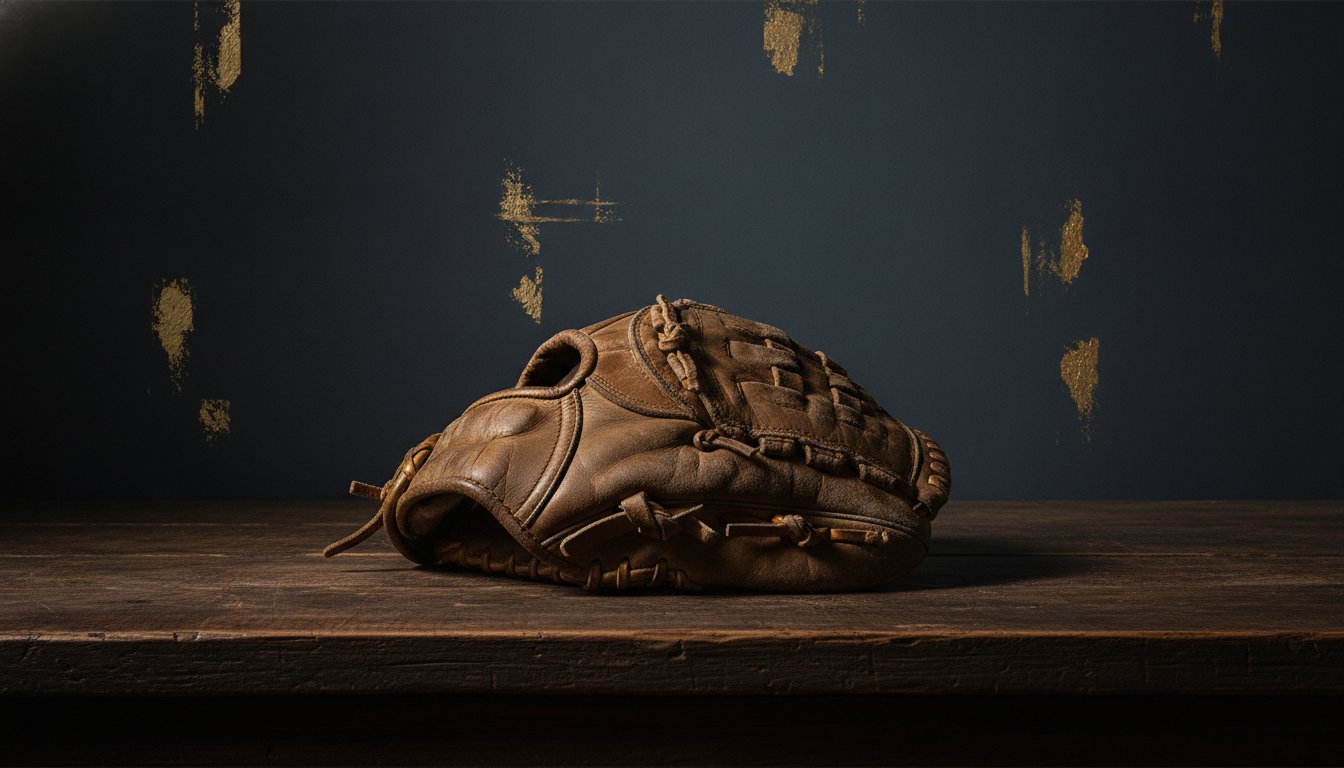
Can a common object, rendered with meticulous technical precision, possess the same quiet prestige as a centuries-old heirloom? While many collectors believe still life fine art is restricted to predictable arrangements of fruit and flora, the contemporary movement proves that modern iconography deserves a place in the permanent collection. It's common to feel that traditional realism is a relic of the past, or to find abstract works lacking the tangible craftsmanship you value. You're not alone in seeking art that feels both historically significant and personally relatable.
This article demonstrates how the marriage of classical oil techniques and contemporary subjects creates works of enduring value. You'll learn how materials like gold leaf elevate simple forms into meditative studies, providing an aesthetic anchor for the modern home. We'll examine the investment potential of original works in a market where human-made craft is increasingly prized, as evidenced by the 7% growth in auction sales for lower-priced art in 2025. This study offers a path to discovering pieces that serve as sophisticated catalysts for connection and legacy.
Key Takeaways
- Understand how still life fine art has evolved from Dutch Golden Age symbolism into a sophisticated medium for modern urban realism and storytelling.
- Discover how the technical mastery of gold leaf and oil glazes transforms common objects into enduring symbols of quiet prestige and permanence.
- Identify the ideal scale for your collection, whether seeking an intimate study for a private gallery or a large-scale statement piece to anchor a room.
- Evaluate the enduring investment value of original oil paintings and the curated accessibility offered by Limited Edition Artist Prints.
Redefining Still Life Fine Art for the Modern Collector
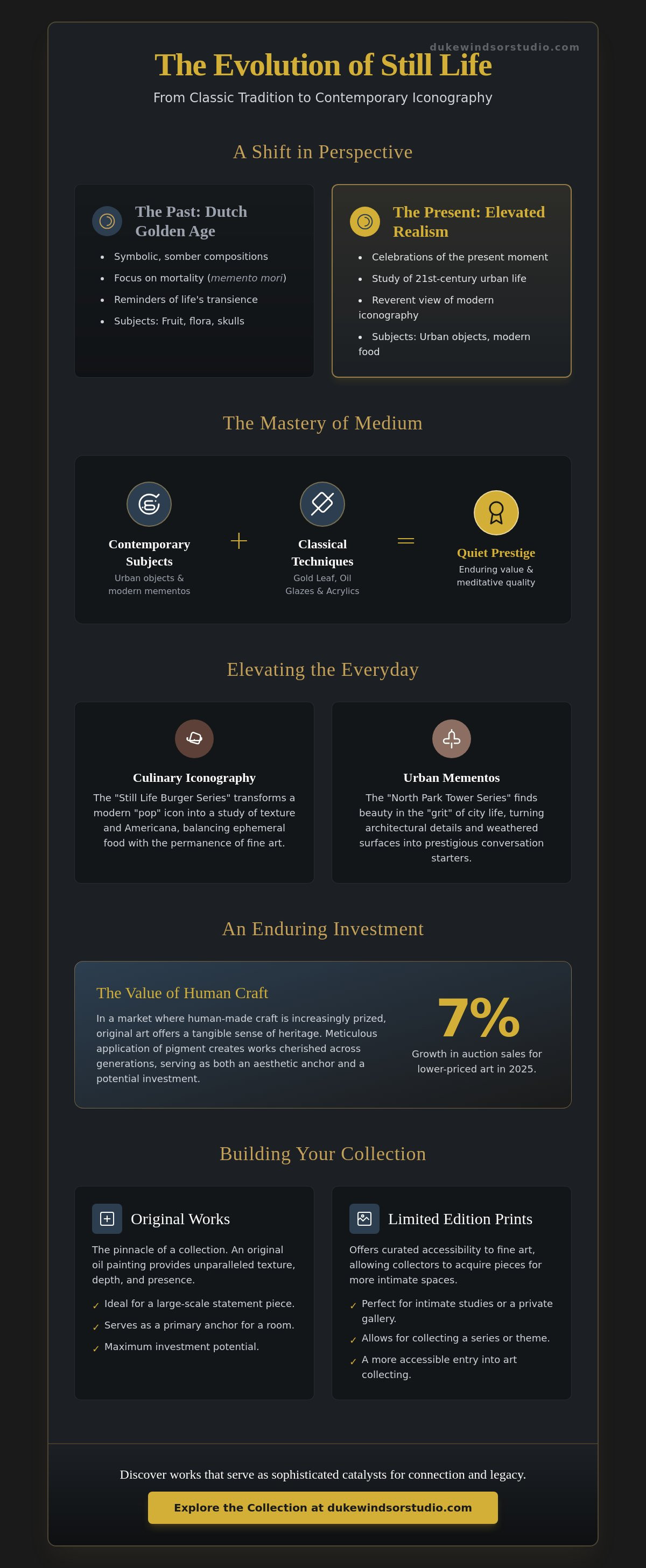
The history of still life painting is often associated with the somber, symbolic compositions of the Dutch Golden Age. In those centuries, artists utilized inanimate objects as moralizing symbols, frequently creating *memento mori* to remind viewers of the transience of life. While these foundations remain respected, the genre has evolved into a sophisticated study of 21st-century urban realism. Modern collectors no longer look for reminders of mortality; they seek celebrations of the present. Still life fine art has transitioned from a study of decay to a reverent examination of modern iconography.
Technical difficulty remains the primary reason this genre is a cornerstone of prestigious collections. Capturing the precise reflection on a metallic surface or the subtle texture of a weathered object requires a level of discipline that few other mediums demand. This mastery creates a sense of permanence and inherent value. In the studio work of Duke Windsor, this approach is defined as Elevated Realism. It's a method where traditional techniques are applied to contemporary subjects, ensuring that even mundane items are treated with the respect usually reserved for historical artifacts.
From Renaissance Foundations to Contemporary Mastery
Classical training in oil and acrylic is essential for achieving the depth and luminosity found in modern masterpieces. The enduring appeal of light, shadow, and form keeps representational art relevant for those who value craftsmanship. Collectors are increasingly returning to figurative works, finding that the human hand's presence offers a sense of heritage that abstract art sometimes lacks. It's the meticulous application of pigment that creates a work to be cherished across generations.
The Meditative Quality of the Everyday
Our fast-paced world rarely affords us the luxury of stillness. Still life encourages a slow art perspective, forcing a meditative pause that highlights the beauty in the ordinary. The artist serves as a steward of these everyday moments, preserving them through a disciplined lens. This process transforms a simple observation into a statement of quiet prestige. Modern still life is the intersection of technical precision and contemporary culture.
The Narrative Power of Contemporary Still Life Subjects
Contemporary still life fine art transcends the limitations of traditional floral or tabletop arrangements. While historical works focused on universal themes of mortality, today's compositions find profound meaning in the specific artifacts of modern existence. An urban object isn't just a physical form; it's a vessel for narrative weight and personal memory. This shift allows for a compelling tension between "low-brow" subjects, like common street items or fast food, and the "high-art" execution of oil painting. By applying rigorous technical standards to these items, the artist elevates them to the status of modern icons. Understanding the elements of still life reveals how light, composition, and texture remain the foundational tools for this transformation, even when the subject matter is radically different from the past.
Culinary Iconography: The Still Life Burger Series
The Still Life Burger Series represents a deliberate study of texture, color, and Americana. Rendering organic, familiar shapes with the prestige of oil painting presents a unique challenge. The artist must balance the glistening surfaces of a modern meal with the disciplined brushwork of a classical master. These culinary subjects serve as modern "pop" icons, yet they're grounded in a framework of permanence. It's a celebration of the present moment, captured with a level of detail that demands the viewer's full attention. The use of traditional oils on such a contemporary subject creates a fascinating dialogue between the ephemeral nature of food and the enduring nature of fine art.
Urban Objects as Modern Mementos
There is an inherent beauty in the "grit" of city life. When an artist focuses on the architectural details of the North Park Tower Series or the weathered surface of a street sign, they're acting as a steward of the contemporary environment. These subjects reflect the lived experience of the modern collector. Instead of seeking a generic pastoral scene, many individuals choose works that echo their own urban surroundings. This connection turns a simple painting into a conversation starter and a prestigious addition to a curated space. For those seeking to anchor their collection with these evocative studies, exploring the portfolios at Duke Windsor Studio offers a glimpse into how everyday objects become enduring works of art. These pieces don't just decorate a wall; they document a specific culture and time with quiet authority.
Mastery of Medium: Gold Leaf, Oils, and Acrylics
The emotional resonance of still life fine art is inextricably linked to the artist's choice of medium. It's through the meticulous application of pigment and metal that a common object is elevated to a state of quiet prestige. Achieving hyper-realistic textures requires more than just a keen eye; it demands a deep understanding of how different materials interact with light. While some artists limit themselves to a single approach, the integration of traditional oil techniques with modern acrylics and gold leaf creates a sense of permanence that is central to high-end collections.
This technical lineage is rooted in the history of still life painting, where the 17th-century masters developed sophisticated layering processes to replicate the world around them. Today, those same principles are applied to contemporary iconography, ensuring that the work remains a steward of artistic tradition while speaking to a modern audience. The tension between the subject and the medium is where the true narrative power lies. It's a disciplined pursuit that values the process as much as the final result.
The Radiance of Gold Leaf in Fine Art
Gold leaf carries a historical weight that few other materials can match. Traditionally used as a symbol of the divine and the eternal in religious iconography, its application to modern subjects creates a profound juxtaposition. When applied to a common urban object, the gold leaf bestows a sense of luxury and timelessness upon the ordinary. The application process is incredibly disciplined, requiring a steady hand to lay the delicate sheets onto a prepared surface. Once applied, the gold creates a dynamic interaction with ambient light. It doesn't just sit on the surface; it glows, changing its appearance as the viewer moves through the room. This radiance transforms the piece into a living study of luminosity.
Texture and Light: The Oil and Acrylic Process
Building depth in original oil paintings is a methodical journey through layers. Each translucent glaze adds a new dimension of color and shadow, allowing for a level of realism that feels almost tactile. Before the first brushstroke of color, many works begin as Graphite and Charcoal Drawings. These preliminary studies are essential for mapping out the complex play of light on metallic or organic surfaces. Light behaves differently on oil-rich surfaces compared to acrylic washes, as the oil allows light to penetrate deeper into the paint film before reflecting back to the eye. This creates an internal glow that acrylics, with their faster drying times and flatter finishes, struggle to replicate. By mastering both, the artist can manipulate the viewer's emotional response, guiding them from the grit of urban life to the polished elegance of a finished masterpiece.
Selecting and Displaying Still Life in Contemporary Interiors
Choosing a piece of still life fine art for a contemporary space is a deliberate act of curation. It requires an understanding of how a single, focused subject anchors an environment. A successful selection commands respect and invites reflection without overwhelming the existing architectural flow. The primary consideration for any collector should be the intended dialogue between the work and the room. While a large-scale statement piece can define the character of a gallery-style living area, smaller, intimate studies offer a sense of discovery in more private quarters.
Matching the aesthetic "vibe" of a home involves more than color coordination; it's about narrative alignment. For an urban loft or a modern kitchen, the Still Life Burger Series provides a sophisticated nod to Americana and contemporary culture. In contrast, a piece from the Balboa Park Series might better suit a space that values naturalistic resonance and historical local context. Framing also plays a vital role in this process. A well-chosen frame acts as a boundary of reverence, signaling to the viewer that the object within is a work of enduring value rather than a mere decorative accessory.
Lighting for Fine Art: Enhancing the Surface
Lighting is the most critical external factor in preserving the prestige of a collection. For works featuring gold leaf, the goal is to capture the changing angle of the sun throughout the day. This creates a dynamic surface that shifts from a soft glow to a brilliant radiance. When displaying original oil paintings, ambient lighting is generally preferred over direct spotlights to avoid distracting glare on the rich, textured surfaces. Proper illumination transforms a residential wall into a professional gallery space, highlighting the technical precision of every brushstroke.
Curating a Collection: Still Life as a Focal Point
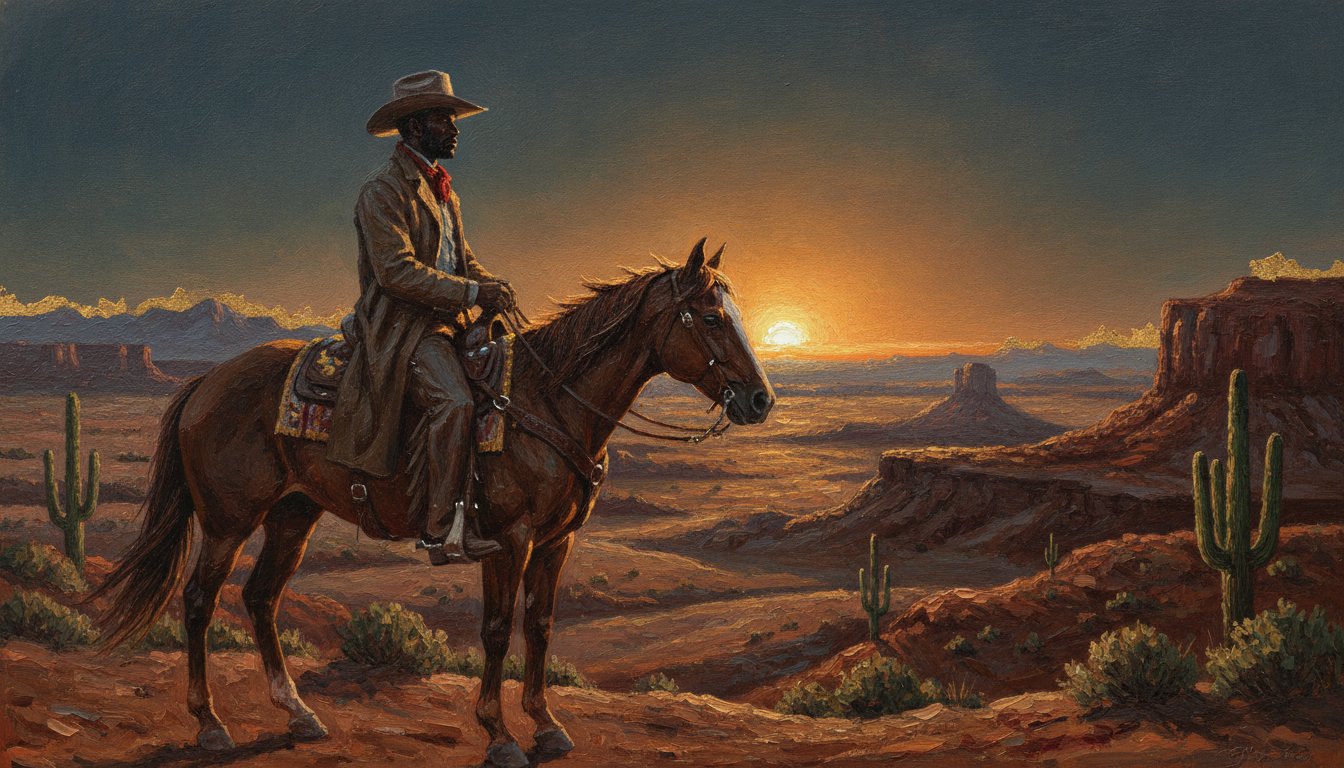
A sophisticated collection often blends genres to tell a broader story. Mixing still life fine art with Cowboy Figurative Paintings or the architectural focus of the North Park Tower Series creates a layered, intellectual atmosphere. Many collectors find success in series-based displays, where multiple Limited Addition Artist Prints from a single series are hung in a structured grid. This approach is particularly effective in dining and kitchen spaces, where the subject matter often feels most at home. If you're ready to find a piece that serves as a prestigious anchor for your interior, you can browse the current collections at Duke Windsor Studio to discover works that balance classical mastery with modern subjects.
Acquiring Original Works and Limited Edition Prints
The decision to acquire a piece of still life fine art is a commitment to preserving a specific moment through classical mastery. Original oil paintings from an established studio represent a significant investment in both material quality and artistic heritage. These works utilize professional-grade pigments and archival substrates, ensuring the piece remains a cherished heirloom for generations. Direct acquisition from the artist's studio provides a transparent provenance and a deeper connection to the creative process. This transparency is vital in a market that is cautiously optimistic, as collectors seek reliability and order in their acquisitions.
The Value of Original Fine Art
Owning a one-of-a-kind original offers an emotional weight that mass-produced items cannot replicate. The physical presence of the paint and the subtle interplay of light on the surface create a prestigious atmosphere in any curated space. In a market where auction sales for works under $5,000 grew by 7% in 2025, collectors are increasingly recognizing the value of authentic, human-made craftsmanship. This shift reflects a desire for art that shows the visible human hand, acting as a direct response to the rise of AI-generated imagery. It's about the discipline of the medium and the story it tells.
Accessibility Through Limited Edition Prints
For those beginning their collection, high-quality editions offer a sophisticated entry point. These aren't simple reproductions. They're meticulously produced under the artist's direct supervision to ensure precise color matching and tonal depth. A limited run preserves the work's scarcity and the long-term investment value of still life fine art, making it an excellent choice for modern interiors. The fine art print market saw a 2% rise in 2025, representing 7% of total art sales value. This growth highlights the liquidity and predictable value of editioned works. You can explore the current series of limited edition prints to find a piece that resonates with your personal aesthetic.
Custom Still Life Commissions
Custom Art Commissions allow you to transform personal memories or significant objects into a permanent study of modern iconography. This collaborative process involves a disciplined approach to composition and lighting, resulting in a work that is both prestigious and deeply personal. Whether it's a specific culinary subject or a meaningful urban artifact, the studio applies the same technical rigor found in the Still Life Burger Series to your unique vision. This process turns the ordinary into the extraordinary, creating a conversation starter that serves as a steward of your individual history. You're invited to begin your custom commission journey with the studio to create a work of enduring significance.
Cultivating a Legacy of Modern Mastery
Contemporary still life fine art is a testament to the enduring power of disciplined craftsmanship. By bridging the gap between classical oil techniques and the iconography of modern life, these works offer a sense of quiet prestige that transcends temporary trends. You've seen how the integration of signature gold leaf and professional-grade pigments ensures a level of permanence essential for any serious collection. Whether you're drawn to the narrative weight of urban artifacts or the sensory richness of culinary studies, these pieces serve as meditative anchors in a fast-paced world.
Since 1994, Duke Windsor Studio has acted as a steward of this artistic tradition. The studio provides access to both one-of-a-kind originals and limited-edition artist prints, ensuring that mastery remains accessible to the discerning collector. Each composition is a dedicated study of form and light, meticulously created to be cherished over generations. It's a professional commitment to quality and technical precision that defines every series produced by the studio.
Discover the Still Life Burger Series and Original Works at Duke Windsor Fine Art Studio
Your journey into the world of elevated realism begins with a single, meaningful acquisition that reflects your personal history and aesthetic values.
Frequently Asked Questions
What is the difference between traditional and contemporary still life?
Traditional still life often focuses on moralizing themes like memento mori using historical items such as skulls or decaying fruit. Contemporary still life fine art shifts this focus toward modern iconography and urban realism, celebrating the beauty of the present moment. While the technical rigor remains identical to classical standards, the subjects reflect the lived experience of the 21st-century collector, transforming common items into symbols of cultural significance.
Why is gold leaf used in modern still life paintings?
Gold leaf serves to elevate ordinary subjects by imbuing them with a sense of the eternal and the divine. Historically reserved for religious icons, its application to modern objects creates a sophisticated juxtaposition of luxury and commonality. The material's unique interaction with ambient light ensures the work remains dynamic, offering a shifting radiance that rewards the viewer's movement through a room with a sense of quiet prestige.
How do I care for an original oil painting in my home?
Original oil paintings require a stable environment with consistent temperature and humidity levels to prevent the canvas from expanding or contracting. It's best to avoid hanging the work in direct sunlight, as UV rays can slowly degrade professional-grade pigments. Dusting should be performed occasionally with a soft, natural hair brush. For deeper cleaning or structural concerns, consulting a professional conservator is the most responsible course of action.
Are limited edition prints considered fine art?
Limited Edition Artist Prints are recognized as authentic fine art when they're produced under the direct supervision of the artist using archival materials. These editions are strictly numbered and signed, ensuring their scarcity and long-term value within the contemporary market. High-quality prints provide a prestigious entry point for new collectors while maintaining the technical integrity and color accuracy of the original studio work.
Can I commission a still life painting of a specific object?
Custom Art Commissions allow collectors to collaborate with the studio to immortalize personal objects or memories through a disciplined lens. This process begins with a formal consultation to discuss the subject's narrative weight and the desired compositional scale. Whether it's a cherished artifact or a specific culinary item, the studio applies the same technical precision found in our established series to create a one-of-a-kind study.
What makes the 'Still Life Burger Series' unique compared to other art?
The Still Life Burger Series is distinguished by its application of classical oil techniques to the most ubiquitous symbols of modern Americana. It challenges the fruit bowl stereotype by finding profound beauty in the textures and colors of contemporary culinary life. This series exemplifies the concept of Elevated Realism, where a common subject is treated with the same reverence and technical mastery as a historical masterpiece.
How long does it take to complete an original still life commission?
The timeline for an original commission typically ranges from several weeks to several months, depending on the complexity and scale of the work. Still life fine art requires a methodical layering process, especially when utilizing oils and gold leaf, which necessitate specific drying times between applications. This intentional pace ensures the final piece possesses the depth, luminosity, and structural permanence expected from a professional studio.
What should I look for when buying still life art for investment?
Investment-grade art should be evaluated based on technical mastery, the artist's exhibition history, and the scarcity of the work. Look for pieces that utilize archival materials and demonstrate a unique perspective on the genre, such as the integration of mixed media. In 2025, the market showed a 17% increase in sales for dealers with smaller turnovers, suggesting that works from established, disciplined studios offer significant long-term potential.